
Small Talk to Big Opportunities: Networking at Events
The hardest part of networking is the first ten seconds. Walking up to a closed group of people feels intimidating, but in London, people expect to be approached. That is exactly why everyone is in the room.
To make this easier, look for open groups. These are groups of two or three people standing in a slight V shape rather than a tight, closed circle. This shape is a subconscious invitation for others to join.

Beyond the Desk: Navigating London’s Pub & Coffee Culture
For many international professionals working in London, informal work socialising causes a unique kind of dread. Outside the structured environment of agendas and slides, conversation moves fast, overlapping accents fill the room, and the British cultural rules completely change.
But here is the reality of London corporate life: Major career connections, team alignments, and business decisions rarely happen inside a meeting room. They happen over a coffee or at the pub.

The Art of the Polite Pushback: Setting Boundaries in a London Office
In British corporate culture, direct confrontation is rarely well received. Instead, London professionals rely on a heavy layer of politeness and diplomatic phrasing to soften a disagreement.
The secret to a successful pushback is simple: Acknowledge the request first, state your boundary clearly, and offer an alternative solution.
Here are the exact scripts you can use to protect your time depending on the situation:
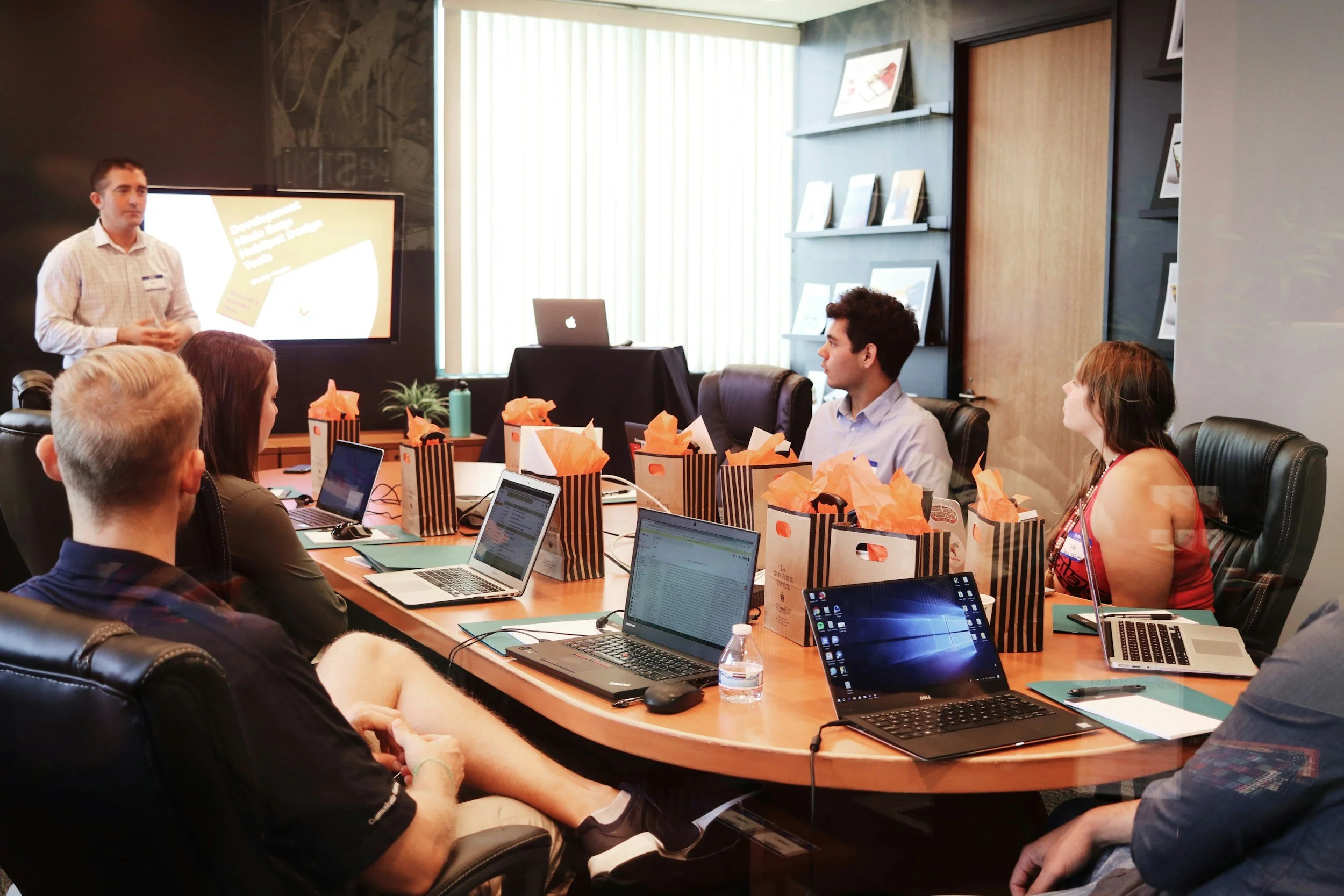
Decoding London Office Jargon: What Your Colleagues Actually Mean
The Hidden Code of London Office Shorthand
In the fast-paced London corporate world, colleagues rarely say exactly what they mean. Instead, they use a diplomatic layer of office jargon to soften requests or steer conversations without causing offense.
If you interpret these phrases literally, you miss the cultural nuance entirely. Here are some classic examples decoded…

The 5 Minutes Before a Meeting: How to Master the Art of London Business Small Talk
Picture this: You step into a meeting room in the City, or log onto a Microsoft Teams call three minutes early. A few of your British colleagues are already there.
Instead of jumping straight into the agenda, they are chatting casually.
Suddenly, a wave of anxiety hits. Do you look down at your phone and pretend to read an urgent email? Do you stay on mute with your camera off until the clock strikes the hour? Or do you join in?
For many multilingual professionals working in London, these unstructured moments cause far more stress than delivering a formal presentation. But in the UK corporate world, small talk isn't a waste of time - it is the essential social glue that builds trust, builds rapport, and sets the stage for successful business outcomes.
Here is how you can confidently navigate those five minutes before a meeting starts and sound natural doing it.
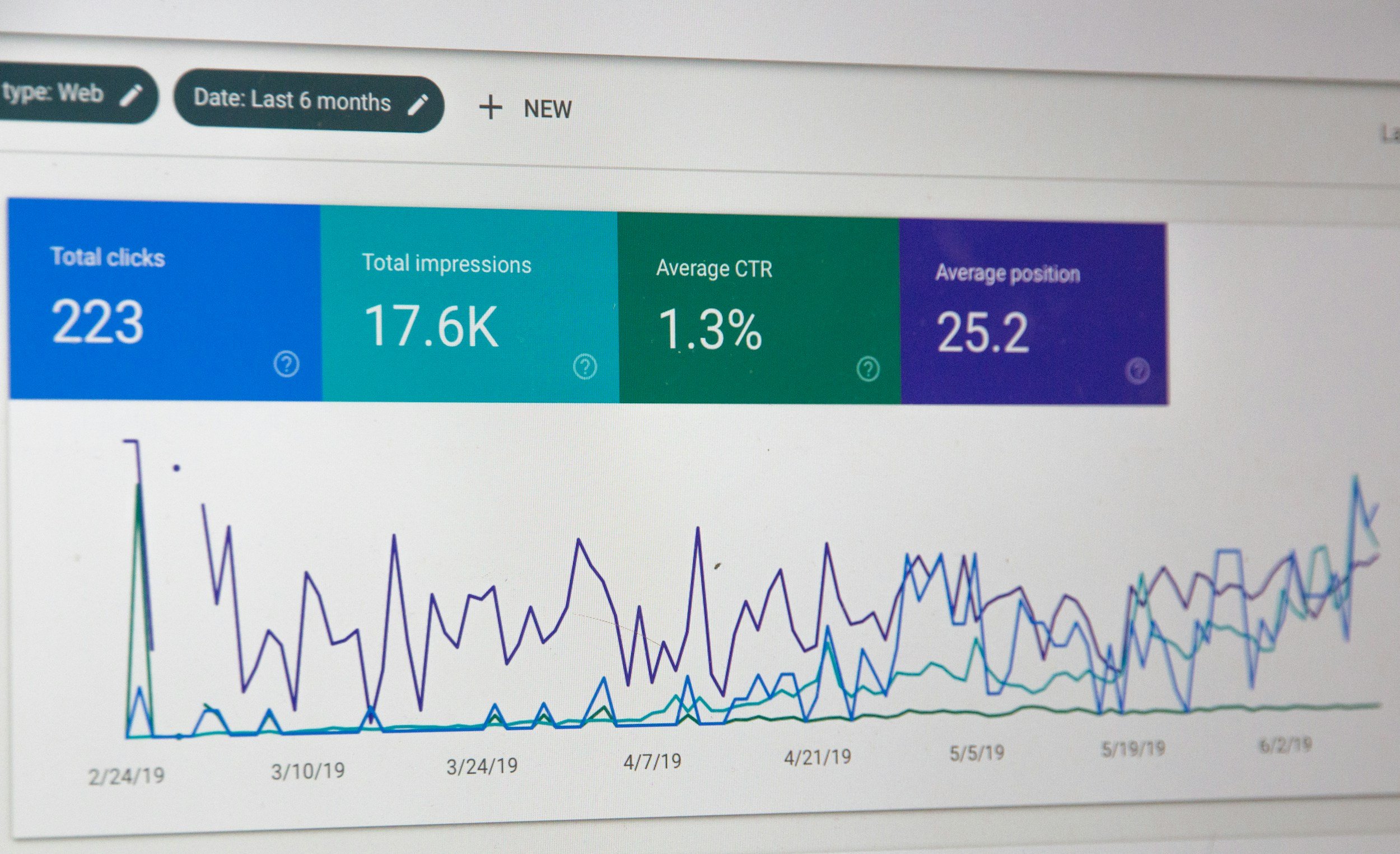
Presenting Data Without the Boredom - How to Tell a Story with Numbers
Knowing how to sound more professional in English while describing trends is what separates a standard update from a highly persuasive presentation.
When describing a chart or a financial report, many non-native speakers rely heavily on basic verbs like go up or go down. While grammatically correct, these words lack impact and precision.
Here is how you can use precise verbs to in your next presentation:
Stop Using These 3 Corporate Buzzwords (And What to Say Instead)
Ready to clean up your professional vocabulary? If you want to learn English with a UK teacher who can help you communicate with absolute clarity and authority, explore our tailored 1:1 programs at Reddington English School today.

Leading a Meeting When You’re Not the Loudest Voice
We often think of great leaders as dominant, booming speakers who effortlessly command a room. But what if that isn't your natural style? What if you are naturally quiet, or still building confidence in your spoken English?
The good news is that in Business English, you don’t need to be the loudest voice to lead effectively. You just need to be the most structured. By mastering the art of "Signposting," you can control the flow of any meeting through structure, not volume.